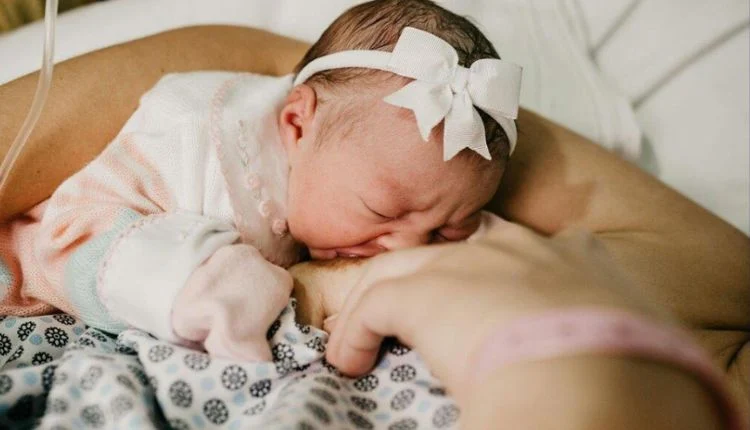
Breastfeeding
Adjusting to a new comfortable breastfeeding position to prevent gas will help both you and your baby. Intake of air during feeds is a well-known source of irritation and discomfort, but with a few simple and minimal adjustments in the way you cradle your baby, you can make a difference. Using a pregnancy pillow body can help to make feeding easier for the baby while keeping them in a natural position.
This article explores ways to help position your baby for better digestion, how a deep latch can minimize your baby’s air intake, and feeding methods that keep your baby calm and comfortable. You’ll also learn some simple advice on burping, how to manage milk flow or when gas may have something to do with your diet or allergies.
-
Introduction: Understanding Gas and Air Intake During Feeding
Babies tend to swallow a lot of air when feeding which can lead to gassiness and discomfort. A latch that is too shallow, a baby who is drinking too fast, or crying before a feeding, can all result in the baby’s tummy getting a mouthful of air. Doing the right breastfeeding position to prevent gas can make the feeding process more peaceful for you and your baby.
A pregnancy pillow body and some light support can make holding your baby easier and more stable while feeding. A newborn’s digestive system is immature and the air they swallowed can become trapped, leading to the baby getting gassy or fussy. Noticing how your baby latches and altering your own position can help to reduce gas and make comfortable feeding times.
-
Maximizing the Deep Latch to Seal Out Air
A deep latch is important because it prevents air from getting into your baby’s stomach, which can cause gassiness. Ensuring your baby’s mouth is wide open, with their lips flared and that they have taken in an ample amount of breast tissue can help make nursing more comfortable and effective. You might also find that using a breastfeeding position to prevent gas, combined with some light assistance from a pregnancy pillow body, promotes a good latch.
Having your baby’s body and head aligned and bringing them to the breast (not the breast to the baby) when they have an open mouth, can help prevent air intake. Try out different positions to find which one best helps your baby latch. When you know what to look for in signs of a good latch, including puffy cheeks and rhythmic sucking, feeding can be easier.
III. The Laid-Back Position for Gravity-Assisted Feeding
The laid-back breastfeeding position, also known as biological nurture and natural nursing position (NNP), is a reclined position to breastfeed. The slight reclined position allows the baby to control the flow of milk from the breast to help prevent gulping and swallowing of air. It also makes your baby latch deeply and naturally, which makes feeding easier for both of you.
To get the most out of this breastfeeding position to prevent gas, try these:
- Lean back comfortably: Sit back into a bed or couch, reclining with several pillows around to support your back, shoulders and arms, so you can rest while you feed.
- Tummy-to-tummy hold: Hold your baby against your chest so gravity keeps them anchored and their body is aligned to make swallowing easier.
- Encourage baby to self attach: Allow baby’s natural instincts do the work in finding the nipple while softly assisting as required, keeping the nose at breast level.
- Test the latch: The baby’s chin should be pressed against your breast and their lips should be flared out, and it should feel like you are having a gentle pulling sensation, but without pain.
- Use soft support: Arrange a pregnancy pillow body to add extra support to your arms or the infant, keeping both of you comfortable during longer feeds.
-
Upright and Koala Holds for Better Digestion and Reflux
Upright breastfeeding positions (e.g. upright hold and koala hold) are often recommended as they encourage easier digestion of the milk and less gas. When your baby’s head and chest are elevated above their stomach, gravity helps milk move down and it’s easier to burp. Try using this breastfeeding position to prevent gas with a pregnancy pillow body.
Make yourself comfortable in a chair and sit with your baby upright across your lap, comfortably snuggled against your thigh or hip, with their head and neck supported. Positioning your baby’s latching with their chin tipped up helps to form an adequate seal and they will swallow less air. Keeping your baby upright 15 to 30 minutes after feed can help them settle down and reduce reflux.
-
The Importance of Frequent and Effective Burping
Burping is important in making your baby stay comfortable after feeding. Also, even with a good latch, your baby’s stomach can still get a little air. Gentle, more frequent burps will release that air before it turns into gas or fussiness, smoothing out feeding time for both of you.
Doing a proper breastfeeding position to prevent gas may make each burp easier and more successful. Your baby’s air will rise and escape more easily when holding them upright, and with a pregnancy pillow body, you can provide gentle support. Soft, rhythmic pats on your baby’s back can relax them and make them feel better after feeding.
-
Avoiding Over-Engorgement Before Latching
When the breasts are too full, it can make it difficult for a baby to feed. A firm breast always leads to a shallow latch, allowing air to go to the baby’s tummy and causes gas. Softening the breast before nursing and positioning relaxingly with the assistance of a pregnancy pillow body could enhance comfortability of both the nursing mother and young baby.
Easing the fullness before nursing promotes a better latch and allows any breastfeeding position to prevent gas more effective. Hand expressing some milk or using a warm compress can soften the areola and make it easier for the milk to flow. Frequent, mild feeds every few hours will also prevent the breasts for getting too full and relieve some of the discomfort and gassiness in your baby.
VII. Pace Feeding Techniques for Fast Flow or Let-Down
When milk comes too fast, babies may gulp or swallow air, which causes gas and makes them fussy. Learning how to pace feed while breastfeeding helps to ensure that your baby stay comfortable as well as avoid taking in too much air. A gentle breastfeeding position to prevent gas can also help a lot during feeding time.
Try these pacing tips that can slow things down and improve comfort for both of you:
- Hand express a little milk first: Before you get started on feeding your baby, hand express a small amount of milk to slow the strong let-down. That will prevent your baby from being surprised by the rushing flow at the beginning of the feeding.
- Try a laid-back position: Lean back a little with your baby on your chest so gravity works against the flow. As you lay your arms on a pregnancy pillow body, it can release the tension in your arms and shoulder.
- Allow your baby to pause: If your baby detaches, coughs, or appears to need a break, let them take a break for a moment before re-latching. Waiting for the flow to slow down allows for a calmer feeding.
- Control the flow: Gently compress the breast to slow the flow if it feels like too much. A U-shaped or C-shaped hold can also help your baby have a better control of the feeding.
- Burp more: Pause a few times during the feeding to burp your baby, especially if they seem fussy or restless. Burping regularly helps to expel air and prevent gas buildup.
VIII. Recognizing When Gas is Related to Maternal Diet or Allergies
A baby’s gas or fussiness may be tied to the mother’s diet. Certain foods can irritate, such as dairy or soy, and can bring out discomfort, unusual stools, or skin reaction. Even if trying various feeding strategies, or breastfeeding position to prevent gas can be useful, persistent symptoms may indicate a dietary trigger.
To make your baby more comfortable, watch for correlations between what you eat and how they react. Keeping a food diary and talking it over with your doctor could help you determine which foods are the cause. The soft pregnancy pillow body can also help during nursing to make feeding a more relaxing experience so you can concentrate more on keeping your baby comfortable and happy.