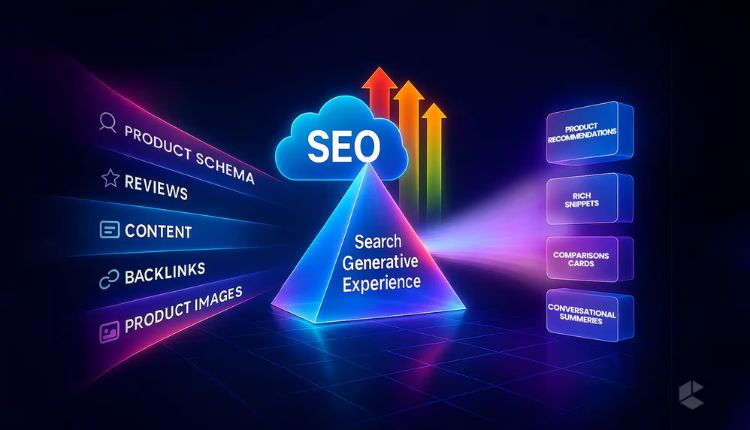
SEO
Search engine optimization is evolving rapidly as artificial intelligence, user behavior, and search algorithms become more sophisticated. In 2026, SEO success requires more than technical optimization. It requires authority, trust, and strong content ecosystems that provide real value to users.
Businesses that adapt to modern search expectations are seeing stronger visibility, while those relying on outdated tactics are losing rankings. Understanding these changes is critical for long-term digital growth.
Strategic Adaptation for Modern Marketers
Modern SEO focuses on solving user problems rather than matching individual keywords. Search engines now analyze behavior signals, engagement metrics, and contextual relevance.
Artificial intelligence is helping marketers research, analyze competitors, and scale content production. However, human expertise remains essential for maintaining quality and originality.
Brands must now focus on building long-term authority and trust signals across multiple platforms, not just search engines.
The Role of Artificial Intelligence in Search
Staying aligned with official search engine best practices is critical. Resources such as Google Search Central provide guidance on sustainable optimization strategies.
Many marketing teams are using structured outreach and content distribution tools such as a guest post marketplace to simplify publisher outreach and scale content placement safely.
Content depth, originality, and real expertise are becoming stronger ranking signals. Thin or generic content is losing visibility.
Editorial Context and Link Relevance
Staying aligned with official search engine best practices is critical. Resources such as Google Search Central provide guidance on sustainable optimization strategies.
Search engines are increasingly evaluating how users interact with content. Engagement metrics such as time on page and return visits signal quality and relevance.
Many marketing teams are using structured outreach and content distribution tools such as a guest post marketplace to simplify publisher outreach and scale content placement safely.
Future Trends Marketers Cannot Ignore
Modern SEO focuses on solving user problems rather than matching individual keywords. Search engines now analyze behavior signals, engagement metrics, and contextual relevance.
Artificial intelligence is helping marketers research, analyze competitors, and scale content production. However, human expertise remains essential for maintaining quality and originality.
Brands must now focus on building long-term authority and trust signals across multiple platforms, not just search engines.
The Role of Artificial Intelligence in Search
Search engines are increasingly evaluating how users interact with content. Engagement metrics such as time on page and return visits signal quality and relevance.
Staying aligned with official search engine best practices is critical. Resources such as Google Search Central provide guidance on sustainable optimization strategies.
Many marketing teams are using structured outreach and content distribution tools such as a guest post marketplace to simplify publisher outreach and scale content placement safely.
The Role of Artificial Intelligence in Search
Staying aligned with official search engine best practices is critical. Resources such as Google Search Central provide guidance on sustainable optimization strategies.
Content depth, originality, and real expertise are becoming stronger ranking signals. Thin or generic content is losing visibility.
Search engines are increasingly evaluating how users interact with content. Engagement metrics such as time on page and return visits signal quality and relevance.
How Technology Is Reshaping Search
Modern SEO focuses on solving user problems rather than matching individual keywords. Search engines now analyze behavior signals, engagement metrics, and contextual relevance.
Artificial intelligence is helping marketers research, analyze competitors, and scale content production. However, human expertise remains essential for maintaining quality and originality.
Brands must now focus on building long-term authority and trust signals across multiple platforms, not just search engines.
Why User Intent Matters More Than Keywords
Staying aligned with official search engine best practices is critical. Resources such as Google Search Central provide guidance on sustainable optimization strategies.
Content depth, originality, and real expertise are becoming stronger ranking signals. Thin or generic content is losing visibility.
Many marketing teams are using structured outreach and content distribution tools such as a guest post marketplace to simplify publisher outreach and scale content placement safely.
Editorial Context and Link Relevance
Content depth, originality, and real expertise are becoming stronger ranking signals. Thin or generic content is losing visibility.
Search engines are increasingly evaluating how users interact with content. Engagement metrics such as time on page and return visits signal quality and relevance.
Many marketing teams are using structured outreach and content distribution tools such as a guest post marketplace to simplify publisher outreach and scale content placement safely.
The Current State of SEO
Modern SEO focuses on solving user problems rather than matching individual keywords. Search engines now analyze behavior signals, engagement metrics, and contextual relevance.
Artificial intelligence is helping marketers research, analyze competitors, and scale content production. However, human expertise remains essential for maintaining quality and originality.
Brands must now focus on building long-term authority and trust signals across multiple platforms, not just search engines.
Preparing for Future Algorithm Updates
Staying aligned with official search engine best practices is critical. Resources such as Google Search Central provide guidance on sustainable optimization strategies.
Content depth, originality, and real expertise are becoming stronger ranking signals. Thin or generic content is losing visibility.
Many marketing teams are using structured outreach and content distribution tools such as a guest post marketplace to simplify publisher outreach and scale content placement safely.
User Experience as a Ranking Factor
Search engines are increasingly evaluating how users interact with content. Engagement metrics such as time on page and return visits signal quality and relevance.
Staying aligned with official search engine best practices is critical. Resources such as Google Search Central provide guidance on sustainable optimization strategies.
Content depth, originality, and real expertise are becoming stronger ranking signals. Thin or generic content is losing visibility.
Conclusion
SEO in 2026 requires adaptability, strategic thinking, and strong content ecosystems. Companies that focus on building authority and trust will outperform those relying on short-term tactics.
By combining technology, high-quality content, and sustainable link building strategies, businesses can build long-term visibility and brand authority.