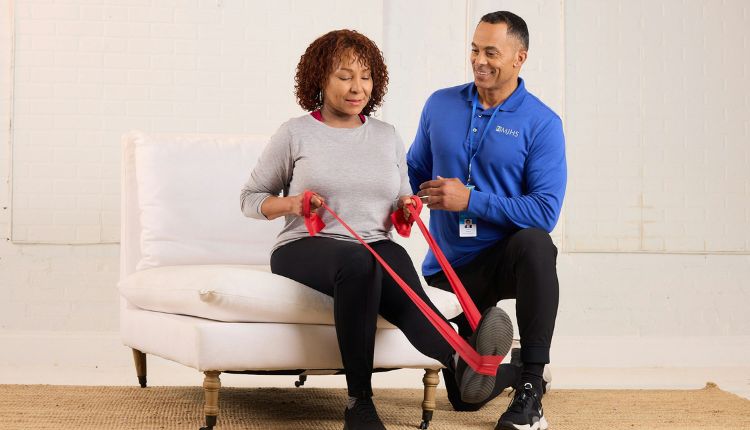
After a hospital stay or planned procedure, the distance between discharge and feeling fully yourself can feel longer than expected. Short stays in a supportive setting bridge that gap by offering focused rehabilitation, 24-hour oversight, and a calm environment for healing. The goal is to return home safely and confidently, with the right skills, strength, and support in place. When done well, a short stay reduces complications, shortens the path to independence, and eases stress for both patients and families.
Why Short Stays Make a Big Difference
The first days and weeks after an illness or surgery are a high stakes period. Pain, fatigue, new medications, and mobility changes can complicate recovery, and even small missteps may lead to setbacks. A short stay gives you time to stabilize while professionals guide each step. Nurses monitor vital signs and symptoms, therapists rebuild function a little at a time, and care teams ensure medications are taken correctly.
This concentrated support is especially valuable when your home environment is not quite ready or when you are still mastering new equipment like walkers, grabbers, or shower benches. The setting is designed to be transitional. You are not in a hospital bed, but you are also not expected to do everything alone. The focus is purposeful practice that restores confidence.
Therapy That Mirrors Real Life
Effective rehabilitation is not a generic checklist. It is a tailored plan that meets you where you are and builds toward your goals. Physical therapists target safe mobility, balance, and endurance so you can move through your day without fear of falls. Occupational therapists focus on everyday tasks such as bathing, dressing, cooking simple meals, and managing household routines. Speech language pathologists may address swallowing safety, voice, or cognitive skills like attention and memory, which can affect managing medications or appointments.
The best programs weave therapy into the rhythm of daily life. Instead of isolated exercises, you rehearse the movements you will actually use at home, from navigating a step at your entryway to transferring in and out of your own style of chair. Education runs alongside every session, so you learn why each exercise matters and how to continue progress after discharge.
Clinical Oversight That Prevents Setbacks
Short stays bring clinical vigilance that is difficult to replicate at home during the early recovery window. Nurses and clinicians watch for changes in pain, swelling, hydration, and wound healing, adjusting care quickly when needed. They coordinate with your physicians to reconcile medications, taper pain control safely, and monitor side effects that could slow progress.
This oversight reduces avoidable readmissions and helps you progress steadily. If appetite lags, nutrition support is offered. If sleep is disrupted, routines are adjusted to support rest. If dizziness appears during therapy, your plan is modified and checked again the next day. You are not navigating this alone or trying to troubleshoot problems in the middle of the night. That assurance can make a meaningful difference in both outcomes and peace of mind.
Environments That Encourage Healing
Recovery is more than medical care. It is also the environment around you. Spaces that are bright, quiet, and easy to navigate lower stress, which supports healing. Dining that emphasizes balanced, appealing meals helps restore energy. Social connection, when you want it, can lift mood and reduce the sense of isolation that sometimes follows hospitalization.
Many communities design short stay programs with these elements in mind. Thoughtful layouts, accessible bathrooms, safe walking routes, and supportive seating make practice feel natural. Routine brings structure without pressure, and flexible scheduling leaves room for rest. Communities like Discovery Village Twin Creeks often combine these comforts with onsite therapy and nursing, creating a focused, dignified experience that keeps recovery moving forward.
Preparing for the Return Home
A hallmark of strong short stay programs is discharge planning that starts on day one. The team evaluates your home setup, identifies risks, and recommends modifications such as grab bars, non-slip mats, raised toilet seats, or improved lighting. If stairs are unavoidable, therapy plans simulate those steps so you can practice safely before you leave.
Education is practical and hands-on. You learn how to pace activity, protect healing joints or incisions, use mobility equipment correctly, and spot warning signs that require a call to your provider. Caregivers are invited into training so everyone shares the same information. Follow up services such as home health, outpatient therapy, or remote monitoring are coordinated before you step out the door, reducing gaps that can stall progress.
How Families Fit into the Plan
Family members and caregivers play a pivotal role, and short stays make that involvement easier and more effective. Staff teach safe transfer techniques, demonstrate medication organization, and review emergency steps. They help set realistic expectations for the first week at home, outlining what support will be most helpful and what signs should prompt a check in. This collaboration turns worry into a plan and gives everyone a shared understanding of what recovery will look like.
Communication continues after discharge through scheduled calls, telehealth check ins, or prompt follow ups with primary care and specialists. The goal is continuity, not a hard stop. When everyone knows the plan, small concerns are addressed early and momentum continues.
Conclusion
Short stays create a deliberate path from hospital to home by combining targeted therapy, clinical oversight, and a restorative environment. They turn fragile first steps into sustainable routines, reduce avoidable complications, and give families the confidence to support recovery. With a clear plan, practical training, and a focus on the everyday skills that matter most, rehabilitation becomes less daunting and home feels within reach. The transition is still a journey, but it is one you do not have to make alone.