bug
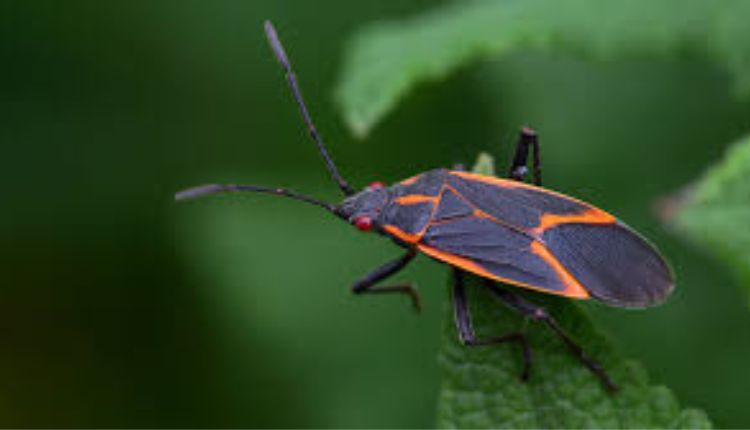
Boxelder bugs are a common nuisance in many homes, especially during the cooler months when they seek shelter indoors. Homeowners often notice these black and red insects clustering around windows, doors, and warm areas inside the house. When disturbed, boxelder bugs release a distinctive, unpleasant odor that can linger in the air and on surfaces. This odor is not only bothersome but can also make dealing with an infestation more challenging. Understanding why boxelder bugs emit this smell and how it relates to their survival can help homeowners manage these pests more effectively and prevent future invasions.
What to expect about boxelder bug odor
The biology behind boxelder bug odor
Boxelder bugs possess specialized scent glands located on the thorax, which are responsible for producing the foul-smelling compound they release when threatened. This odor is a defensive mechanism that has evolved over time to protect the bugs from predators. When a boxelder bug feels threatened, whether by a human, pet, or another insect, it secretes this chemical as a warning signal. The scent is strong enough to deter many would-be predators, including birds and small mammals, from eating them.
The chemical composition of the odor includes aldehydes and ketones, which are known for their pungent and lingering qualities. This adaptation is particularly useful for boxelder bugs, as it increases their chances of survival in both outdoor and indoor environments. The release of odor is not only a response to direct physical contact but can also occur when the bugs are startled or sense danger nearby. This means that even routine household activities, such as vacuuming or moving furniture, can trigger the release of the scent if boxelder bugs are present. The persistence of the odor can make it difficult to remove, especially if the bugs are crushed or handled directly, leading to further frustration for homeowners.
Why boxelder bugs invade homes
Boxelder bugs are primarily outdoor insects, but they become a significant indoor nuisance as temperatures drop in the fall. Their natural habitat includes boxelder, maple, and ash trees, where they feed on seeds, leaves, and flowers. However, as the weather cools, these bugs seek warmth and shelter, often finding their way into homes through cracks, gaps, and poorly sealed windows or doors. Once inside, they congregate in large numbers, particularly in sunny areas or near heat sources.
The presence of boxelder bugs indoors is not typically associated with structural damage or health risks, but their sheer numbers and the odor they emit when disturbed can create an unpleasant living environment. Homeowners in regions with abundant boxelder trees are especially prone to infestations, as these trees provide a ready food source and breeding ground for the bugs. The challenge of managing these pests is compounded by their ability to overwinter inside walls and attics, emerging again in the spring. For those seeking boxelder bug control Salt Lake City, understanding the seasonal behavior of these insects is crucial for effective prevention and management.
How the odor protects boxelder bugs
The odor released by boxelder bugs serves as a powerful deterrent against predators and threats. When a boxelder bug is disturbed, the scent glands on its thorax emit a chemical mixture that is both unpleasant and persistent. This odor acts as a warning signal to potential predators, indicating that the bug is not a desirable meal. Birds, rodents, and other animals that might otherwise prey on boxelder bugs quickly learn to avoid them after encountering the strong smell. This natural defense mechanism is highly effective in the wild, where survival often depends on the ability to avoid being eaten.
Inside homes, the odor can also discourage pets from interacting with the bugs, reducing the likelihood of accidental ingestion or harm. However, for homeowners, this same defense mechanism can be a source of frustration, as the smell can permeate fabrics, carpets, and other household materials. The persistence of the odor means that even after the bugs are removed, the scent may linger, requiring thorough cleaning to eliminate. Understanding the protective function of the odor can help homeowners approach boxelder bug management with greater patience and care, minimizing the risk of triggering the release of the scent during removal efforts.
Odor release and its impact on indoor environments
When boxelder bugs release their odor inside homes, the impact can be more than just a temporary nuisance. The chemical compounds in the scent can adhere to surfaces, making it difficult to remove with standard cleaning methods. In some cases, the odor can persist for days or even weeks, especially if the bugs have been crushed or handled directly. This can create an ongoing source of discomfort for residents, particularly in areas where the bugs have congregated in large numbers.
The presence of the odor can also make it challenging to enjoy living spaces, as the smell may be noticeable even after the bugs themselves have been removed. For individuals with sensitivities to strong odors, the release of boxelder bug scent can cause headaches or respiratory irritation, further complicating the situation. Preventing the release of the odor is often a matter of careful handling and prompt removal of the bugs, as well as sealing entry points to prevent future infestations. By addressing the underlying causes of boxelder bug invasions, homeowners can reduce the likelihood of encountering the unpleasant odor in the first place.
Quick facts about boxelder bug odor
Boxelder bug odor is produced by scent glands on the thorax and is released as a defense mechanism when the bugs feel threatened. The smell is strong, lingering, and can be difficult to remove from indoor surfaces. While the odor is harmless to humans, it is effective at deterring predators and can make managing infestations more challenging for homeowners.
Preventing boxelder bug infestations
Preventing boxelder bugs from entering homes is the most effective way to avoid the unpleasant odor they release. This involves a combination of physical barriers, such as sealing cracks and gaps around windows, doors, and foundations, and maintaining screens in good repair. Removing boxelder trees or other host plants near the home can also reduce the likelihood of infestations, as these trees provide food and breeding sites for the bugs. Regular inspection of the home’s exterior, especially in the fall, can help identify potential entry points before the bugs move indoors.
Once inside, boxelder bugs are best removed using gentle methods, such as vacuuming, to avoid crushing them and triggering the release of their odor. Prompt disposal of vacuum bags or contents is important to prevent the smell from lingering. In cases of severe infestations, professional pest management services may be necessary to address the problem effectively. By taking proactive steps to prevent boxelder bug invasions, homeowners can maintain a more comfortable and odor-free living environment throughout the year.
Conclusion
Boxelder bugs release odor when disturbed inside homes as a natural defense mechanism designed to protect them from predators. This adaptation, while effective in the wild, can create significant challenges for homeowners dealing with indoor infestations. The odor is produced by specialized glands and can linger on surfaces, making removal and cleanup more difficult. Understanding the reasons behind this behavior, as well as the seasonal patterns that drive boxelder bugs indoors, is essential for effective prevention and management. By sealing entry points, removing attractants, and handling bugs carefully, homeowners can reduce the impact of boxelder bug odor and maintain a more pleasant indoor environment. Taking these steps not only addresses the immediate nuisance but also helps prevent future infestations, ensuring a more comfortable home year-round.